Brownsville Forklift Brakes: An In-depth Exploration
Introduction
Welcome to an extensive examination of a critical component in the material handling industry—Brownsville forklift brakes. This article aims to unravel the complexities of this specialized technology, offering insights into its history, global impact, technological innovations, and future trajectory. By delving into these aspects, we will uncover why Brownsville forklift brakes are not just mechanical parts but pivotal elements shaping logistics, safety, and efficiency worldwide.
Understanding Brownsville Forklift Brakes: A Technical Deep Dive
Definition and Core Components
Brownsville forklift brakes, often referred to as industrial or heavy-duty forklift brakes, are advanced braking systems designed for forklifts—mobile machinery used in various industries for lifting and transporting goods. These brakes play a critical role in ensuring the safe operation of forklifts, which are indispensable in manufacturing, warehousing, and logistics sectors.
The primary components include:
- Brake Calipers: Responsible for applying pressure to the brake pads, thereby slowing or stopping the forklift.
- Brake Pads: Made from high-friction materials, they make direct contact with the rotor (or drum) to create resistance and slow down the vehicle.
- Rotors/Drums: The rotating component that the brake pads press against to generate braking force.
- Hydraulic System: Supplies the necessary pressure to actuate the calipers, ensuring precise control over braking.
- Brake Control Module: Manages and regulates the braking process, often incorporating advanced safety features.
Historical Context
The evolution of forklift brakes traces back to the early 20th century when forklifts were first introduced as a means to streamline material handling. Early brakes were simple mechanical designs, but as forklifts became more powerful and capable of carrying heavier loads, the need for advanced braking systems arose. The demand for improved safety features and higher performance led to the development of hydraulic and, subsequently, more sophisticated electronic braking systems.
Significance and Application
Brownsville forklift brakes are crucial for several reasons:
- Safety: They provide precise control over forklift speed, reducing the risk of accidents and injuries in busy warehouses or manufacturing floors.
- Efficiency: Efficient braking allows for faster loading/unloading operations and smoother movement, increasing overall productivity.
- Durability: High-quality brakes extend the lifespan of forklifts, reducing maintenance costs.
- Compliance: Many industries have strict safety regulations regarding forklift operation, and modern brakes help businesses meet these standards.
Global Impact and Trends Shaping Brownsville Forklift Brakes
International Influence
The impact of Brownsville forklift brakes extends far beyond the borders of their origin. As a global industry, manufacturing and logistics companies rely on efficient, safe, and reliable braking systems, making Brownsville forklift brakes a ubiquitous presence worldwide.
Key Global Trends
- Electric Forklifts: The rise of electric forklifts is driving innovation in braking technology as manufacturers focus on energy efficiency and quieter operations.
- Autonomous Vehicles: The development of autonomous forklifts requires advanced braking systems that can integrate with sophisticated sensor and control technologies.
- Global Standards: Harmonizing safety standards across regions has led to the adoption of international norms, ensuring consistent brake performance and reliability.
Regional Impact
- North America: Known for its robust manufacturing sector, North American warehouses heavily rely on advanced forklift brakes to meet high-volume, fast-paced operations.
- Europe: Stricter environmental and safety regulations have accelerated the adoption of modern, energy-efficient braking systems across Europe.
- Asia-Pacific: Rapid urbanization and e-commerce growth in Asia-Pacific drive demand for efficient, durable forklift brakes to support logistics hubs.
- Emerging Markets: Countries with growing industrial sectors are investing in modern equipment, including high-performance forklift brakes, to enhance operational efficiency.
Economic Considerations: Market Dynamics and Investments
Market Overview
The global market for Brownsville forklift brakes is a significant segment within the broader material handling industry. According to a recent report by [Research Firm X], the market size was valued at USD 1.2 billion in 2022 and is projected to grow at a CAGR of 5.6% from 2023 to 2030. This growth is driven by factors such as increasing e-commerce sales, rising industrial production, and the adoption of advanced technologies.
Investment Patterns
- Original Equipment Manufacturers (OEMs): Major forklift manufacturers invest heavily in R&D to develop and integrate advanced braking systems into their products, ensuring market leadership.
- Aftermarket Suppliers: Specialized brake manufacturers cater to both OEM and aftermarket needs, offering a range of brakes for various forklift models.
- Industry 4.0 Focus: With the advent of Industry 4.0, there is a growing trend of integrating intelligent braking systems with digital connectivity, enabling predictive maintenance and performance monitoring.
Technological Advancements: Revolutionizing Brake Performance
Hydraulic vs. Electric Braking Systems
- Hydraulic Brakes: Traditional hydraulic systems have been the workhorse of forklift brakes, offering powerful braking and precise control. However, they require regular maintenance and can be less energy efficient.
- Electric Brakes: Electric braking systems are gaining popularity due to their lower maintenance costs, reduced noise levels, and improved energy efficiency. These systems utilize electric motors and advanced control algorithms to manage braking.
Advanced Features
- Regenerative Braking: A technology that captures kinetic energy during braking and converts it into electrical energy, which can be used to power other vehicle systems, improving overall efficiency.
- Adaptive Cruise Control (ACC): Similar to automotive systems, ACC in forklifts uses sensors to maintain a safe distance from other vehicles or obstacles, optimizing braking and acceleration.
- Anti-Lock Braking Systems (ABS): Prevents wheels from locking up during hard braking, ensuring better control and stability.
- Electronic Stability Control (ESC): Enhances forklift stability by detecting and reducing skid conditions, improving overall handling.
Safety Features: Critical Considerations
Emergency Stop Systems
Advanced emergency stop systems use sensors to detect obstacles and immediately apply brakes, minimizing the risk of collisions. These systems are especially crucial in high-traffic areas.
Collision Avoidance Technologies
Integrating collision avoidance sensors with intelligent braking systems allows forklifts to react to potential obstacles, reducing the likelihood of accidents.
Driver Assistance Systems
Some modern forklift brakes come with driver assistance features like lane departure warning systems and adaptive steering, improving operator safety and comfort.
Future Trajectories: Innovation and Sustainability
Emerging Technologies
- Artificial Intelligence (AI): AI algorithms can predict brake wear and tear, optimize maintenance schedules, and enhance overall braking performance.
- Internet of Things (IoT): IoT connectivity enables real-time monitoring of brake performance, location, and health, leading to improved safety and asset management.
- 5G Connectivity: Ultra-fast 5G networks will support advanced driver assistance systems (ADAS) and enable seamless communication between forklifts and central control systems.
Sustainability Focus
Sustainability is a growing concern in the forklift brake industry:
- Eco-Friendly Materials: Researchers are exploring the use of recycled and bio-based materials for brake pads to reduce environmental impact.
- Energy Efficiency: Developing brakes that consume less energy during operation contributes to overall fleet efficiency and reduces carbon emissions.
- Extended Brake Lifespan: Designing brakes for longer durations decreases the need for frequent replacements, reducing waste.
Conclusion: Steering Towards a Safer, More Efficient Future
Brownsville forklift brakes are not merely mechanical components but the linchpin of modern material handling operations. As technology advances and global trends evolve, these brakes will continue to play a pivotal role in ensuring safety, efficiency, and sustainability across industries worldwide. With ongoing innovations, the future promises improved performance, enhanced driver assistance, and a more sustainable approach to forklift braking systems.
Category: brownsville forklift brakes

Brownsville Forklift Brakes: Best Practices for Fleet Truck Maintenance
Read more →
Brownsville Forklift Brakes: Optimizing Vehicle Maintenance with Scheduling Systems
Read more →
Brownsville Forklift Brakes: Heavy-Duty Off-Road Solutions
Read more →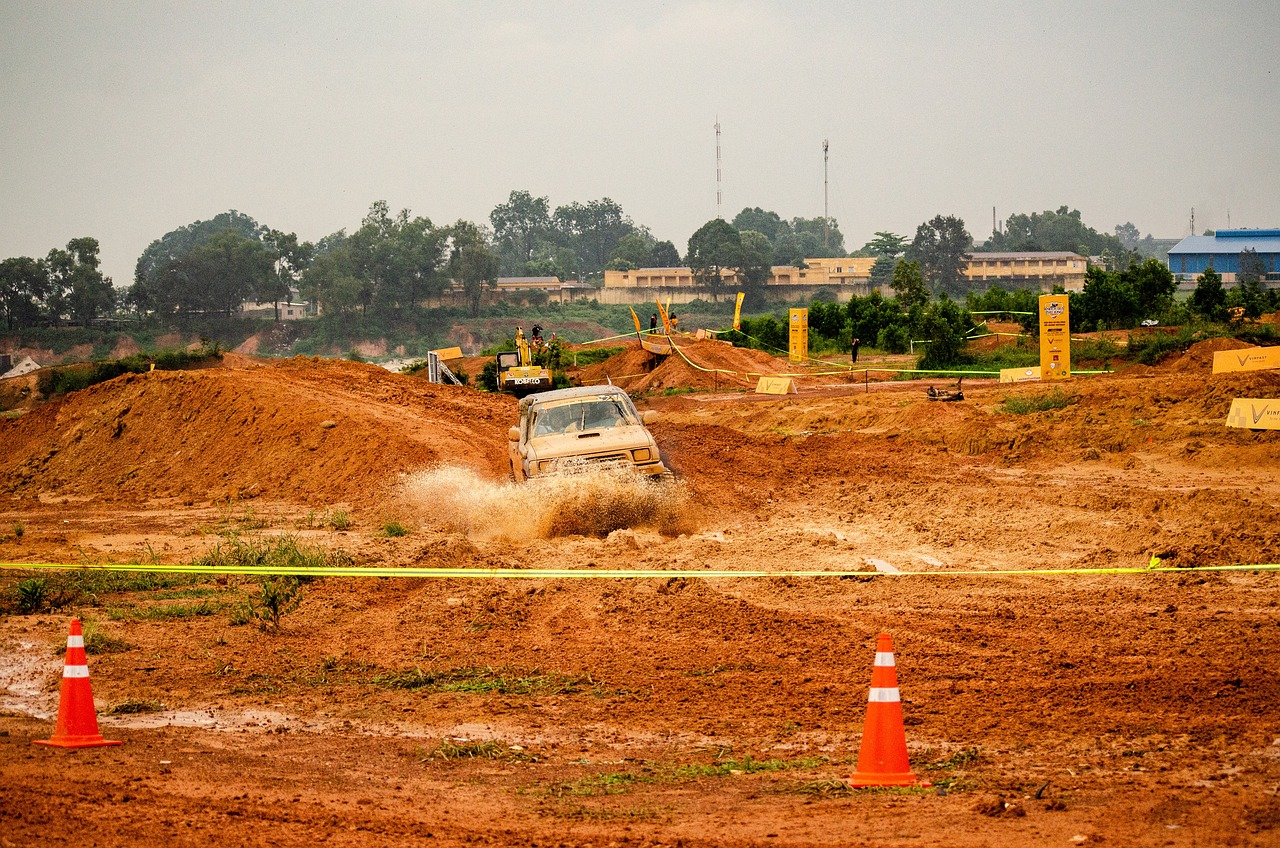
Brownsville Forklift Brakes: Mastering Off-Road Driving Skills
Read more →
Upgrade Brakes, Save Big: Brownsville's Top Brake Experts Await!
Tired of paying premium prices for brake replacements in Brownsville? Upgrade to our state-of-the-ar.......
Read more →

Brownsville Forklift Brakes Fix: Save Money, Get Fast Repairs!
Tired of the financial shock of unexpected forklift brake repairs in Brownsville? Say goodbye to cos.......
Read more →

Brownsville Forklift Brakes: Revolutionize Your Ride, Save on Costs!
Transform your trucking experience with Brownsville Forklift Brakes—the revolutionary suspensi.......
Read more →

Transform Your 4x4: Top Brakes, Save Big – Free Guide!
Tired of underperforming brakes holding you back on rough terrain? It's time to upgrade to Brow.......
Read more →

Brownsville Forklift Brakes: Save Big with Revolutionizing Fleet Care Tips
Keep your Brownsville warehouse or distribution center humming with efficient, reliable forklifts. O.......
Read more →